- Home
- Brooder basics
- Basic setup
What to put in a chicken brooder: a simple setup guide.
Once your brooder is in place, the next step is making sure it has everything your chicks need to stay warm, safe, and healthy.
At first, it can feel like there's a lot to think about. But in reality, the essentials are quite simple. A well set-up chicken brooder doesn't need to be complicated, it just needs to meet a few basic needs, consistently and safely.
In this guide, I'll walk you through exactly what to put in a chicken brooder so you can feel confident you've got everything covered from the very beginning.

🪶 Featherlight Takeaways.
Quick insights from this article: especially helpful if you're setting up a brooder for the first time and want to make sure your chicks have everything they need from day one.
- Chicks need warmth, food, water, bedding, and space from the start
- A safe, reliable heat source is essential in the early weeks
- Bedding should be dry, absorbent, and changed regularly
- Food and water must always be easy to reach and kept clean
- A simple setup works best: you can adjust it as your chicks grow.
1. A safe heat source.
Keeping your chicks warm is the most important part of any brooder setup.
In their first weeks of life, chicks can't regulate their own body temperature, so they rely entirely on a steady, gentle source of heat to stay comfortable and healthy.
There are a few different ways to provide this. Many people use a heat lamp, while others prefer a heat plate that chicks can move under when they need warmth. Either can work well, as long as it's set up safely and gives chicks the choice to move closer or further away from the heat.
What matters most is getting the temperature right.
Too cold, and chicks will huddle together and become distressed. Too hot, and they'll move away from the heat source and can quickly become dehydrated.
- I go into more detail about getting the temperature right, and how to know what your chicks are trying to tell you, in this guide to brooder temperature.
- Whichever heat source you choose, always make sure it's secure, safely positioned, and checked regularly. A calm, steady warmth will help your chicks settle quickly and thrive.
🐥 A note from my flock: I use a heat plate for my chicks rather than a heat lamp, as I've found it gives a more natural, gentle warmth and allows them to move in and out of the heat as they need.
It also feels less worrying from a safety point of view, especially indoors.
This is the one I use in my own brooder setup:
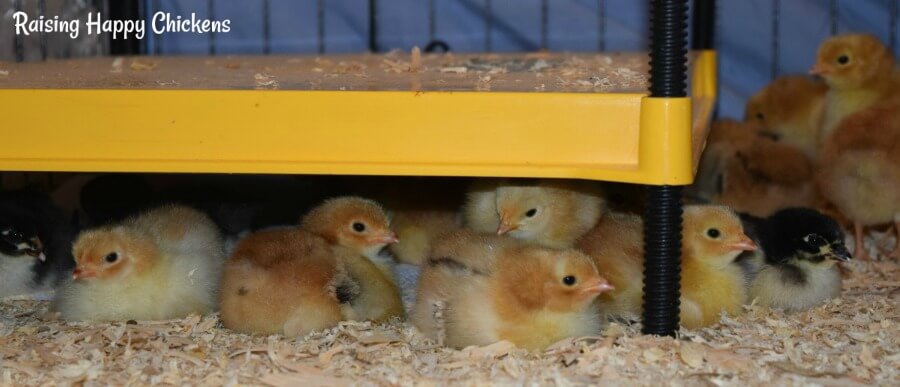 Some of my chicks resting under a heat plate, moving in and out of the warmth as they need it.
If you’re interested, I’ve written a full review of it here, including what I like and what to watch out for.
2. Bedding that keeps chicks dry and comfortable.
Bedding might seem like a small detail, but it plays an important role in keeping your chicks healthy.
It needs to provide a dry, comfortable surface for them to walk and rest on, while also absorbing moisture from droppings and spilled water.
The most important thing is that it stays clean and dry. Damp bedding can quickly lead to problems, including illness and an unhealthy build-up of ammonia.
For most brooders, a layer of pine shavings works very well. They're absorbent, relatively low in dust, give chicks a stable surface to move around on, and are relatively inexpensive.
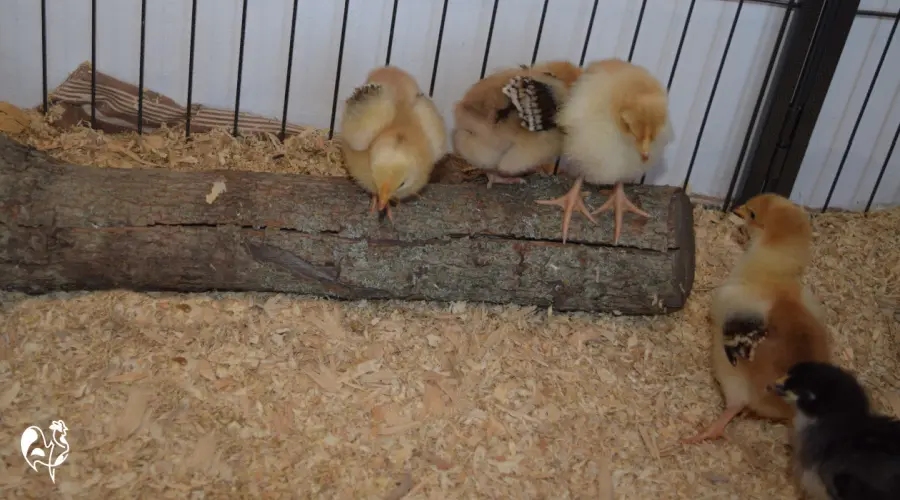 Pine shavings make a simple, absorbent bedding that helps keep the brooder clean and comfortable.
One thing to avoid is using smooth surfaces like newspaper on their own. These can be slippery underfoot and may lead to leg problems in young chicks.
I've compared different bedding options in more detail, including what works well and what to avoid, in my guide to chick brooder bedding.
3. The right food for growing chicks.
From the moment your chicks are in the brooder, they should have access to food at all times.
In their first weeks, chicks need a specially balanced chick starter feed, which provides the protein and nutrients they need for healthy growth. This is very different from adult chicken feed, so it's important to make sure they're getting the right type from the beginning.
Keep their feed fresh and easily accessible, and check it regularly to make sure it hasn't become damp or contaminated with bedding.
It can be tempting to offer treats, especially once chicks become more active and curious. But in these early weeks, it's best to keep things simple and stick to a good quality starter feed.
I've gone into more detail about what to feed baby chicks, including when it's safe to introduce other foods, in this guide to chick feeding.
4. Feeders that work for small chicks.
Having the right feeder makes a big difference to how easy your brooder is to manage.
Chicks need to be able to reach their food and water easily, without climbing in and scattering it everywhere which, given the chance, they will!
Choose feeders and drinkers that are low enough for chicks to access comfortably, but designed to reduce waste and keep bedding out as much as possible.
It also helps to raise them slightly off the ground as your chicks grow. Even a small lift can make a big difference in keeping food and water clean.
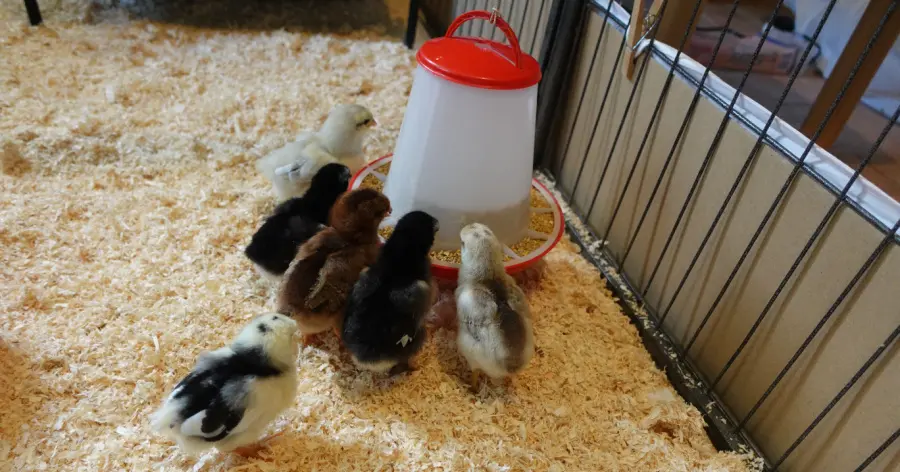 My simple hanging chick feeder that's easy to access and helps keep food clean.
Check them regularly throughout the day. Chicks have a habit of scratching bedding into feeders and drinkers, and keeping everything clean will help prevent both waste and illness.
I've compared a few different feeder types, including what works well and what tends to cause problems, in this guide to chick feeders.
5. Fresh, clean water at all times.
Alongside food, chicks should always have access to fresh, clean water.
It's something they rely on constantly, so it's important to check it regularly throughout the day to make sure it hasn't become dirty or spilled.
Use a drinker designed for chicks, with a shallow lip that allows them to drink safely without the risk of falling in. Even small chicks can get into trouble surprisingly quickly if water is too deep.
Positioning helps, too. Placing the drinker on a slightly raised surface, or using a hanging drinker, makes sure no bedding gets scratched into it.
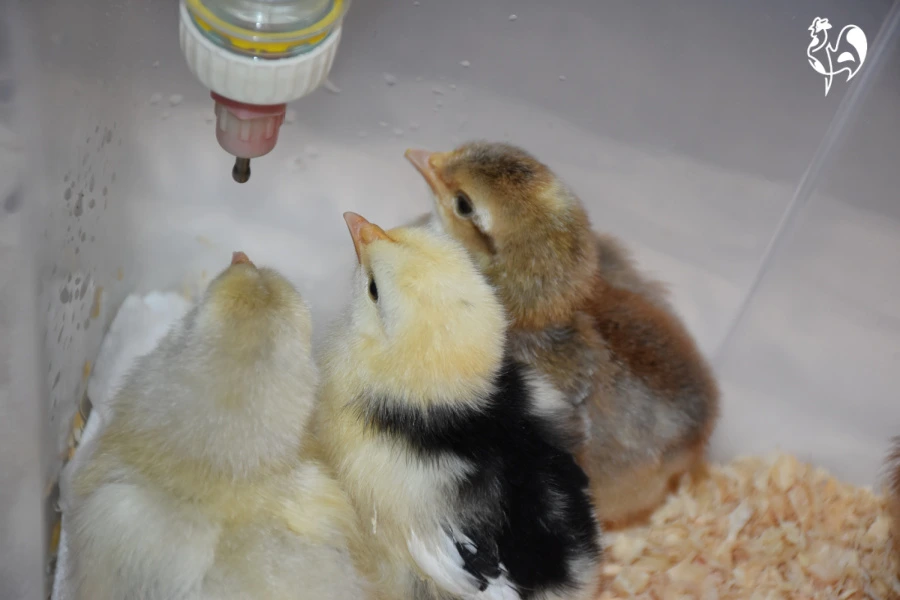 My hanging drinker helps keep water clean by lifting it above the bedding — especially useful as chicks grow.
Some people choose to add small amounts of apple cider vinegar to chicks' water from time to time.
I cover that, along with different types of drinkers and which works best, in more detail in my guide to what baby chicks drink.
6. Enough space to move and grow.
Chicks don't stay small for long.
In just a few weeks they grow quickly, become more active, and start exploring their surroundings.
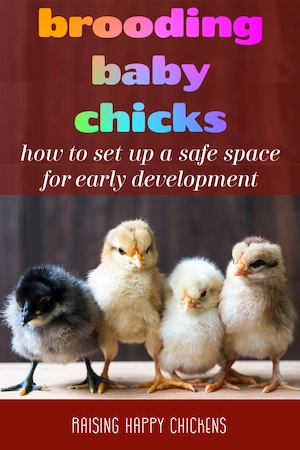

Which means the space that felt generous at the beginning can soon feel quite crowded.
Giving them enough room isn't just about comfort. Crowding can lead to problems like feather pecking, stress, and a brooder that becomes dirty (and smelly!) much more quickly.
As a general guide, make sure your chicks have enough space to move around freely, rest comfortably, and get to food and water without competing.
Just as importantly, watch their behaviour.
If you notice increased pecking, chicks avoiding one another, or bedding becoming damp and messy very quickly, it's often a sign they need more space.
I've covered brooder size and space in more detail in my guide to chicken brooders, including how to adjust things as your chicks grow.
7. Keeping the brooder clean and healthy.
A clean brooder makes a big difference to your chicks' health and comfort.
In those early weeks, things can get messy quite quickly. Chicks scratch, spill water, and produce more droppings than you might expect. So a simple, regular cleaning routine is important.
- Remove any obviously damp or dirty bedding each day, especially around feeders and drinkers, and top up with fresh, dry material as needed.
- A full clean-out will be needed regularly too, depending on how many chicks you have and how quickly the bedding becomes soiled.
- One of the easiest ways to tell when it's time to clean is by using your senses. If the brooder starts to smell, feels damp, or looks heavily soiled, it’s time to refresh it.
Keeping everything clean and dry helps prevent illness, reduces odour, and creates a much more comfortable environment for your chicks to grow.
Final thoughts...
Setting up a brooder is really about meeting a few simple needs: warmth, safety, clean surroundings, and easy access to food and water.
Once those are in place, the rest tends to fall into place too. You'll quickly learn what works best for you and your chicks, and your confidence will grow along with them.
Take your time, keep things simple, and enjoy these early days, because they pass more quickly than you might expect!
Quick questions about chicken brooder set up.
What do you need in a chick brooder?
What do you need in a chick brooder?
A chick brooder needs a heat source, appropriate bedding, chick starter feed, fresh water, and enough space for chicks to move around comfortably.
Do chicks need food and water straight away?
Do chicks need food and water straight away?
Yes. Once chicks are in the brooder, they should have access to fresh water and chick starter feed at all times.
What bedding is best in the chick brooder?
What bedding is best in the chick brooder?
Pine shavings are a popular choice because they're absorbent and provide a stable surface for chicks to move around on.
Can chicks survive without a heat lamp?
Can chicks survive without a heat lamp?
Chicks need a source of heat, but it doesn't have to be a heat lamp. Many people use heat plates, which allow chicks to warm themselves as needed.
How often should a brooder be cleaned?
How often should a brooder be cleaned?
You should remove damp or dirty bedding daily, do a full clean regularly and make sure food and drink is kept clean and fresh. If the brooder smells, or feels damp, it's time to refresh the bedding completely.

More about baby chicks.

- Home
- Brooder basics
- Basic setup

Partner of the Month: Grandpa's Automatic Feeder
Popular articles



Copyright © 2012- Raising Happy Chickens: All rights reserved regardless of links or attributions.
I do not SELL ANY PERSONAL INFORMATION FROM THIS WEBSITE. PLEASE SEE My PRIVACY POLICY FOR MORE DETAILS.
Click to see my copyright, privacy and affiliates policies.
Click Here to see my policy about external ads, articles and links.
Click here to contact me.