Your monthly chicken health check.
Chickens are very good at hiding illness until it's too late.
Chickens are very good at hiding illness.
By the time a problem becomes obvious, they can already be quite unwell, which is why regular health checks are one of the best habits any chicken keeper can develop.
Whether you keep two hens or a larger flock, a simple monthly check helps you spot early warning signs before they become more serious.
This guide walks you through the main things to look for, from comb and eyes to crop, weight, droppings, eggs, and behaviour.
🪶 Featherlight Takeaways.
Quick insights from this article: especially helpful if you want a simple way to spot early signs of illness and keep your flock healthy.
- Chickens often hide illness until they are very unwell.
- A quick monthly chicken health check can help you spot problems early.
- Look for changes in comb colour, eyes, crop, droppings, weight, and behaviour.
- You do not need to check every chicken on the same day.
- My simple checklist makes it easier to stay consistent.
Download your free chicken health check sheet!
If you're part of my weekly chicken digest group, you'll receive a free downloadable health check sheet twice each year to help you run through the checks quickly and thoroughly.
If you're not, you can join here.
How to use this chicken health check.
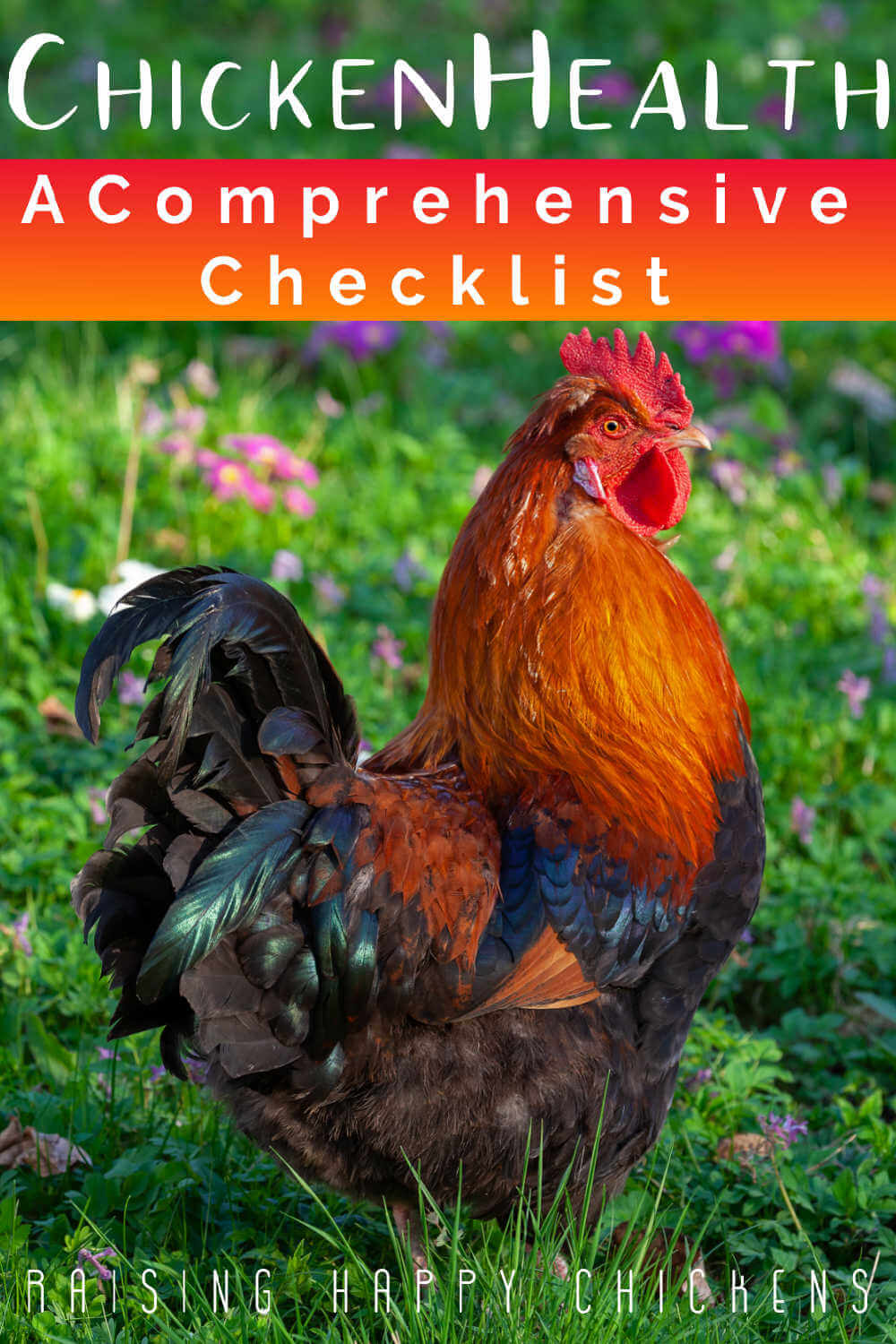

Experienced chicken keepers can often tell when something isn’t quite right just by watching their flock.
But nothing replaces a closer, hands-on check.
The aim of this monthly chicken health check is to help you spot small changes early, before they become more serious problems.
Each check only takes a few minutes per chicken, and you don't need to examine every chicken on the same day.
As long as you keep track of who you've checked, you can spread it over several days if that's easier.
A good time to do this is when your chickens have gone to roost, when they tend to be calmer and easier to handle. If a bird becomes stressed, wrapping her gently in a towel can help her feel more secure.
If you keep a larger flock, you may find it helpful to keep a simple record so you can spot patterns over time.
Once you get into the habit, it becomes second nature, and one of the best ways to keep your flock thriving.
1: Comb and wattles.
The comb is the fleshy crest on top of a chicken's head; wattles are the flaps beneath the beak.
Both help regulate temperature and are a good indicator of overall health.
It's worth becoming familiar with how your chickens' combs and wattles look and feel when they're healthy. That way, you'll quickly notice when something changes.
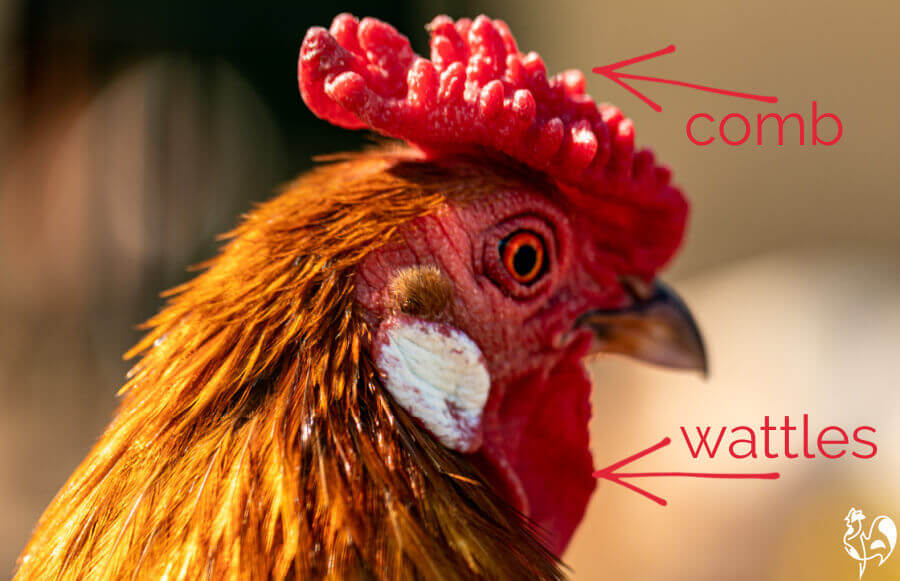 The comb (on top of the head) and wattles (beneath the beak) are useful indicators of a chicken’s health.
Comb and wattle size and colour vary with age and sex: what matters most is noticing changes from what's normal for your chicken.
A rooster's comb and wattles are large and showy; as a pullet (a young hen) both comb and wattles are small and light pink in colour; as she nears the point of lay, they grow and deepen in colour, but remain smaller than the male's.
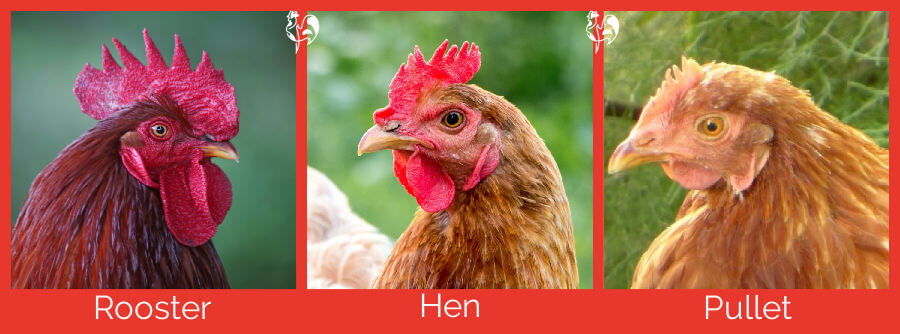 A rooster, a mature hen and a pullet, showing the difference in comb and wattles.
What to look for.
Colour: a healthy comb and wattles should be a strong red (or pale pink in young hens).
A bluish tinge can indicate circulation or respiratory problems.
Texture: they should feel soft, full, and slightly warm. If they look dull, dry, or shrivelled, your chicken may be dehydrated.
Injuries: any sign of blood or pecking damage should be dealt with quickly, as other chickens will be attracted to it.
Spots or scabs: grey, white, or dark scabs may indicate fowl pox, which is contagious between chickens.
Cold damage: blackened areas can be a sign of frostbite, especially in colder climates.
When to take action.
If you notice sudden colour changes, discharge, or signs of illness elsewhere, isolate the bird and monitor closely.
2. The eyes as an indicator of chicken health.
A chicken's eyes should be clear, bright, and free from any discharge.
As with all these checks, the key is to know what's normal for your birds. Any change is worth paying attention to.
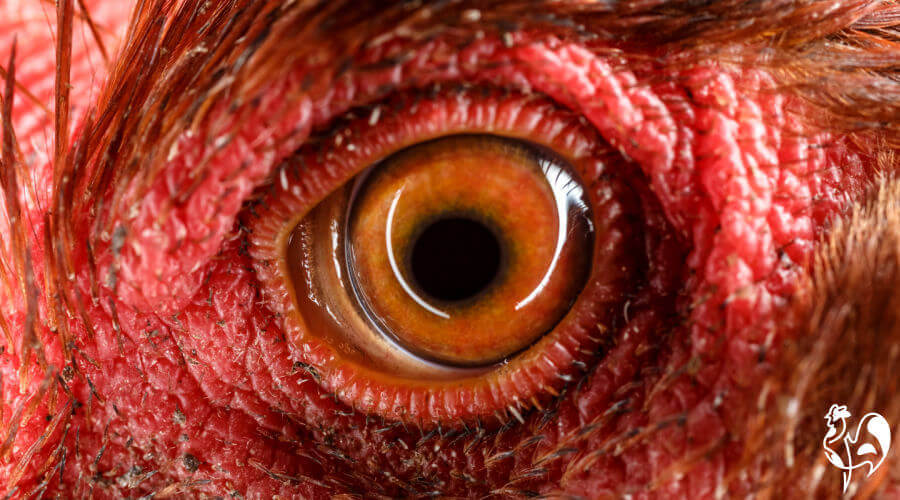 A healthy chicken's eye should be clear, bright, and free from discharge.
What to look for.
Clarity: eyes should be clean and bright. Any cloudiness may indicate age-related changes or vision problems.
Discharge: bubbles, foam, or fluid around the eye can be a sign of a respiratory infection.
Shape and colour: an unusual shape or a greyish appearance can indicate more serious conditions such as Marek’s disease.
When to take action.
If you notice discharge, swelling, or sudden changes in appearance, isolate the chicken and monitor closely.
If symptoms persist, seek veterinary advice.
3. Beak and nostrils.
A healthy chicken's beak and nostrils should be clean, well-shaped, and free from discharge.
As with other checks, small changes can be an early sign that something isn't right.
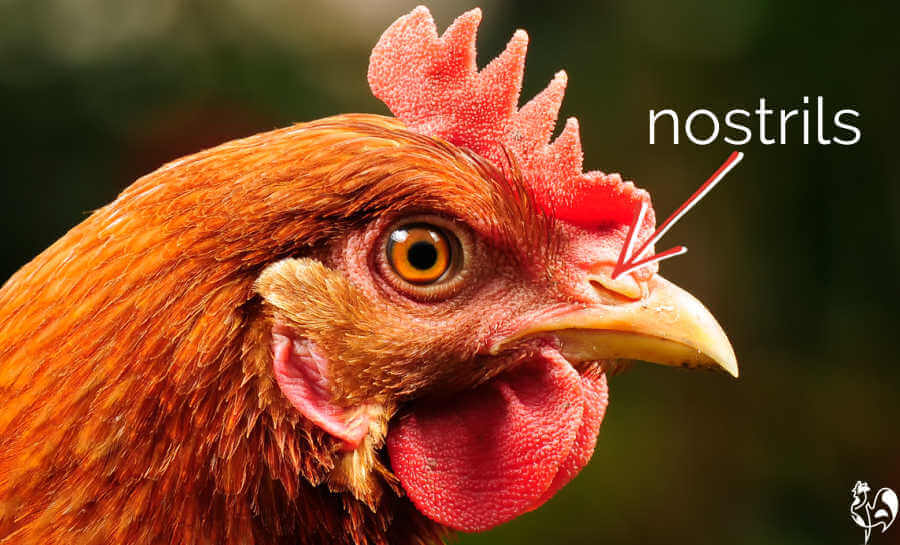 A healthy beak and nostrils should be clean, aligned, and free from discharge.
What to look for.
Cleanliness: the nostrils should be clear, with no fluid, crusting, or blockage.
Breathing: breathing should be quiet and effortless. Any rattling, wheezing, or clicking sounds may indicate a respiratory problem.
Shape and alignment: the beak should be straight, properly aligned and without fractures. A crossed beak may require special care to ensure the chicken can eat properly.
Smell: this may feel a little strange!, but smelling the beak is an important check. A sour or unpleasant smell can be a sign of sour crop.
When to take action.
If you notice discharge, noisy breathing, or a strong odour, isolate the bird and monitor closely. Persistent symptoms should be checked by a veterinarian.
For crossed beaks, there's an excellent Facebook group here.
4. The crop.
The crop is a small pouch at the base of a chicken's neck where food is stored before digestion.
Checking the crop is one of the most useful ways to monitor your chicken's health. It's easy to feel: hold your chicken with her tail facing you. Reach to the front, slightly right of the breastbone.
What to look for.
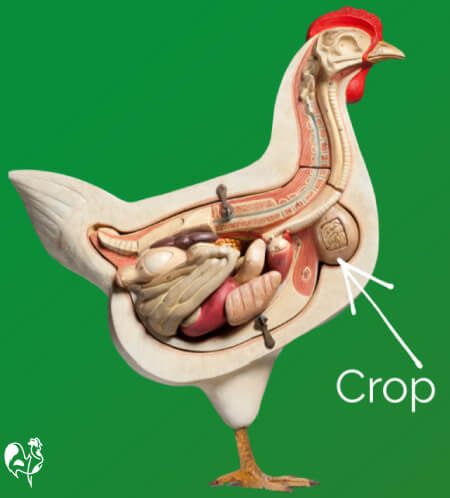 The crop sits at the base of the neck.
Morning check: in the morning, the crop should feel flat or empty.
Evening check: by the end of the day, it should feel fuller as the chicken eats.
Texture: a healthy crop feels soft and slightly firm, not hard or overly squishy.
Smell: a sour or unpleasant smell from the beak can indicate a problem such as sour crop.
Signs of a problem.
Hard crop: may indicate an impaction, often caused by long grass or indigestible material.
Smelly, squishy or fluid-filled crop: can be a sign of sour crop, a yeast infection in the digestive system.
When to take action.
Crop problems can become serious quickly.
If you suspect a problem, isolate the chicken straight away, and seek veterinary advice if symptoms persist.
An impacted crop should only be dealt with by a veterinarian.
For sour crop, isolate the chicken and withhold food and water for 24 hours so the crop empties as much as possible. The British Hen Welfare Trust advises(1) to dilute 20 mls of apple cider vinegar to one litre of water, to be gently syringed into the beak. It's easiest to aim for the side of the beak.
After 12 hours, offer a small amount of tepid water with a teaspoon of feed, softened. Then build slowly up to normal feed over a week or so, keeping an eye (and nose!) open for sour crop returning.
5. Feathers.
A healthy chicken should have clean, smooth feathers with a natural sheen. Changes in feather condition are often one of the first visible signs that something isn't quite right.
Sophia Lor-hen, one of my Wyandottes (below), is a good example of a bird with healthy plumage.
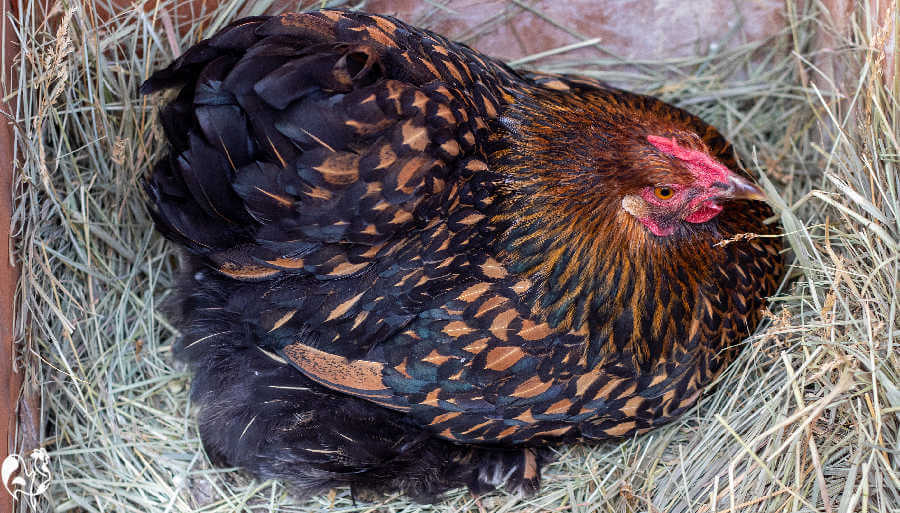 Healthy feathers should be smooth, clean, and slightly glossy.
What to look for.
Condition: feathers should look glossy and intact, with no excessive breakage or bald patches.
Cleanliness: especially under the wings and around the vent, feathers should be clean and free from dirt.
Skin: beneath the feathers skin should be free from sores, redness, or cuts.
Parasites: look closely for mites or lice, particularly under the wings and around the vent.
What's normal.
Feather loss isn’t always a problem.
Chickens naturally moult, usually once a year, and can look quite ragged while new feathers grow in.
If you're unsure whether feather loss is normal or a sign of illness, you can read more in my detailed articles about moulting and feather loss.
This is the same Sophia Lor-hen as in the photo above. The difference? In this photo she's in moult. Nothing to worry about.
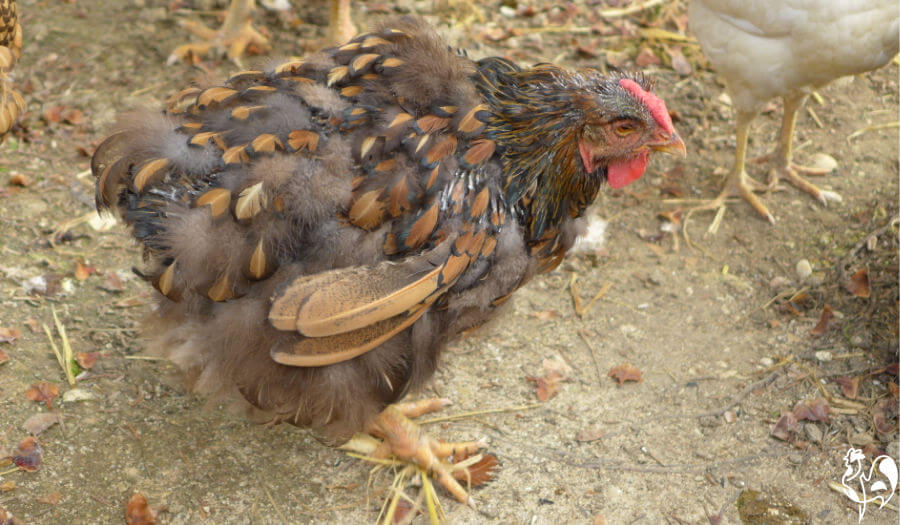 The same hen during moulting. Feather loss can look dramatic but is usually a natural process.
When to take action.
Dirty feathers, visible parasites, broken or bleeding skin should be dealt with promptly. Chickens are attracted to blood and can quickly start pecking at any wounds.
If you find mites or lice, treat the whole flock promptly. This article shows how.
Providing a dust bath and good quality feed can often help resolve feather problems.
6. Wings.
A chicken's wings can give useful clues about both their physical condition and their environment.
What to look for.
Position: wings should normally be held close to the body. If a chicken is holding its wings out from its sides, especially with panting, it may be overheating.
This is one of my growing chicks taking the sun, and showing signs that she's too hot.
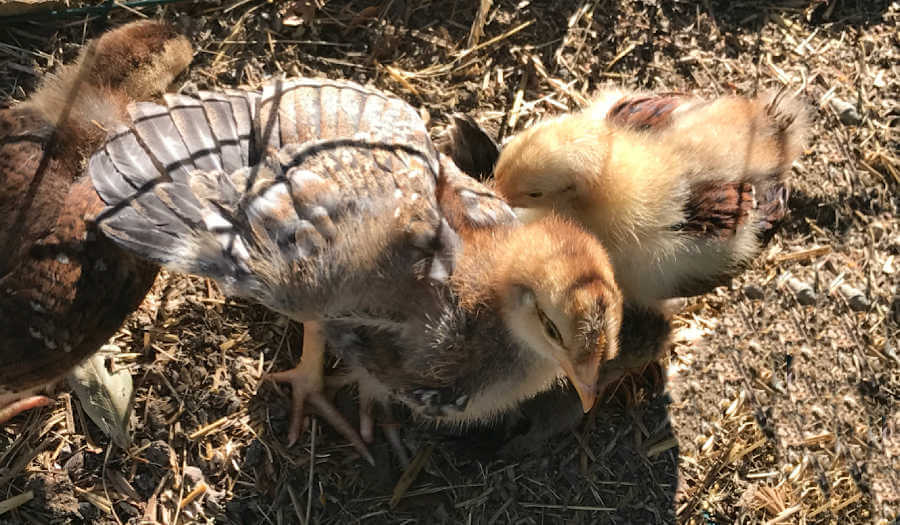 One of my growing chicks holding her wings away from her body. She's too hot and needs help cooling down.
Feather condition: wing feathers should be intact and unbroken. Damaged feathers can sometimes be a sign of bullying or stress.
Parasites: check carefully under the wings for mites or lice, which often hide in warm, sheltered areas.
When to take action.
If a chicken is holding its wings out and appears distressed, take steps immediately to cool it down. Here's how.
Signs of parasites or damaged feathers should be investigated further and treated promptly. Here's how.
7. The vent.
The vent (or cloaca) is the opening beneath a chicken's tail through which both droppings and eggs are passed.
In a healthy chicken, it should be clean, moist, and free from any discharge or parasites.
What to look for.
Cleanliness: the area should be clean, with no build-up of droppings.
Colour and condition: the skin should look pink and healthy, not red, swollen, or irritated.
Parasites: check around the base of the feathers for mites or lice.
Signs of a problem.
Soiling or discharge: dirty feathers or a foul smell can indicate infection or digestive issues.
Redness or swelling: may be a sign of vent gleet or other infection.
Visible tissue: any sign of tissue protruding from the vent (prolapse) needs immediate attention.
Baby chicks: a special case.
Young chicks can develop a condition called pasty butt, where droppings stick to the vent and block it.
This can become serious and needs to be dealt with quickly.
When to take action.
Vent problems can escalate quickly.
If you notice swelling, discharge, or any sign of prolapse, isolate the chicken and take action promptly.
For more detailed guidance, see my articles on pasty butt, fly strike, general vent issues, and isolating chickens.
8. Legs and feet.
A chicken's legs and feet should be smooth, clean, and free from injury.
Changes here can affect movement and are often a sign of underlying health issues.
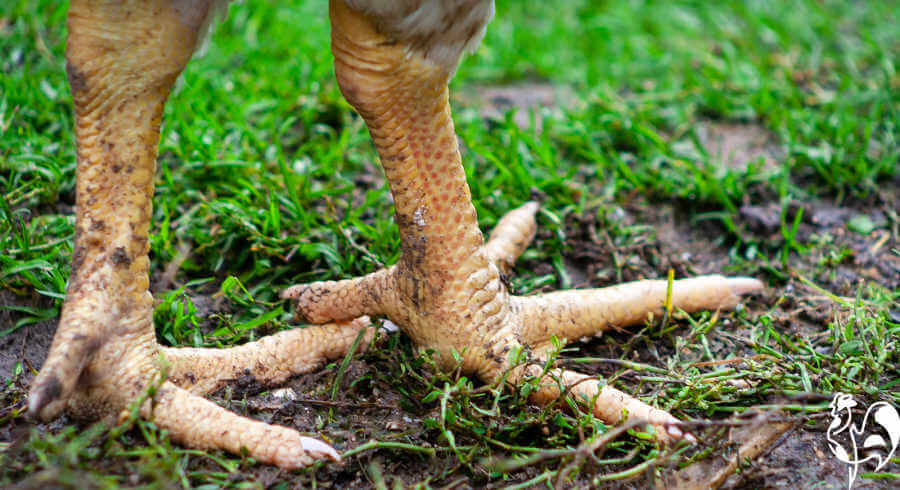 Healthy legs should have smooth scales and clean, well-shaped feet.
What to look for.
Scales: leg scales should lie flat and smooth, and be evenly coloured. Raised scales may indicate scaly leg mite.
Cleanliness: feet should be free from impacted dirt and debris. This is particularly important if your chicken has feathered legs.
Injuries: check for cuts, swelling, or any signs of infection such as oozing.
Underside of the foot: look for dark spots or swelling, which may be a sign of bumblefoot.
Nails: nails should be a natural length and not curled under.
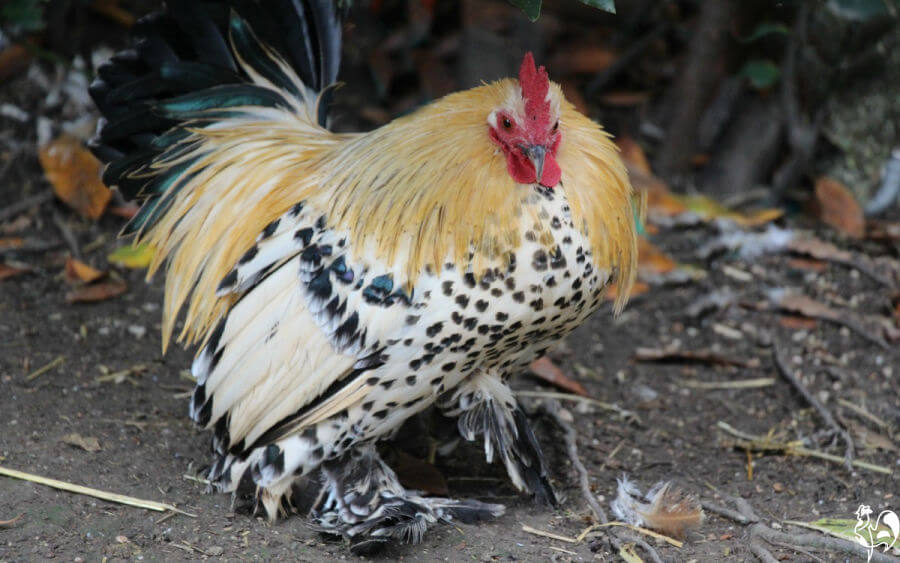 My Sablepoot rooster, Bono. Feathered legs need extra care to stay clean and free from mites.
When to take action.
Raised scales, swelling, or signs of infection should be dealt with promptly.
If you suspect bumblefoot or mites, treat early to prevent more serious problems. Bumblefoot may require a veterinarian; mites are more easily dealt with.
9. Weight.
Changes in weight can be one of the earliest signs that something isn't right.
Because feathers can hide weight loss, it's important to check by handling your chickens, not just by looking at them.
What to look for.
Keel bone: gently feel along the keel bone (the bone running down the centre of the chest).
- If it feels very sharp and sticks out, your chicken may be underweight.
- If it's difficult to feel at all, your chicken may be overweight.
A healthy chicken should have some flesh on either side of the keel bone, without it being too pronounced.
When to take action.
Sudden weight loss should always be taken seriously.
Check for possible causes such as illness, parasites, or bullying preventing access to food.
Always offer a high quality feed, and limit treats to avoid obesity.
10. Droppings.
It may not be pleasant, but your chickens' droppings are one of the best indicators of their health.
Most healthy droppings are:
- Firm
- Brown in colour
- Topped with a white cap (urates).
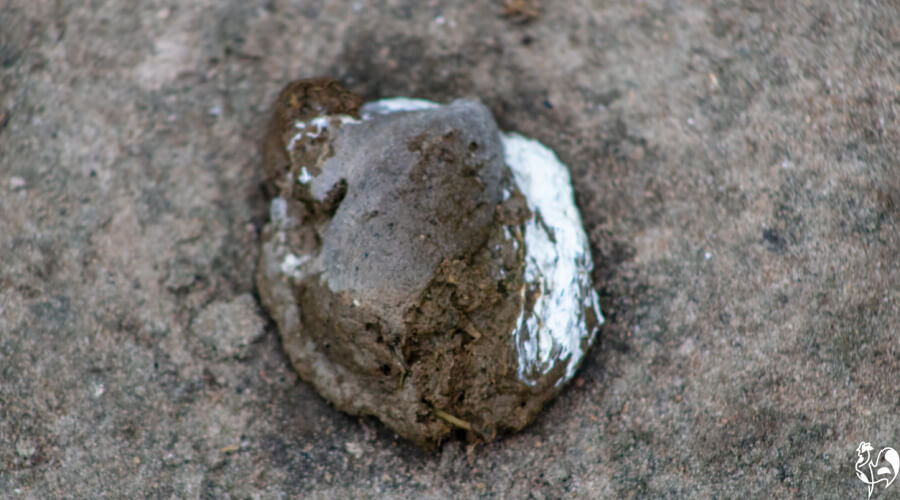 A typical healthy dropping: brown with a white cap.
You may also occasionally see softer, darker droppings. These are cecal droppings and are completely normal.
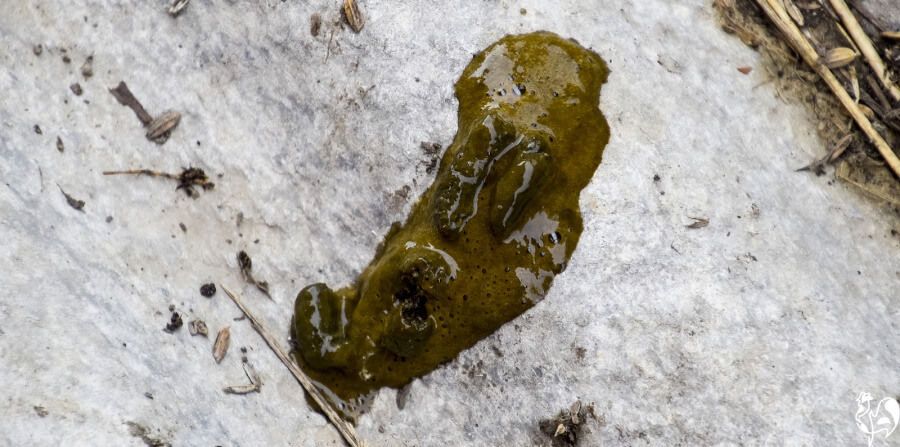 Cecal droppings can look unusual, but are completely normal.
Changes in colour can often be linked to diet rather than illness. For example...
- Green: lots of fresh greens, particularly when free-ranging.
- Dark or black: foods like blueberries or charcoal.
What to look for.
Very watery droppings: often caused by increased water intake, especially in hot weather.
Blood in droppings: runny droppings with blood can indicate illness such as coccidiosis.
Worms: visible worms (such as roundworms) are a clear sign that treatment is needed.
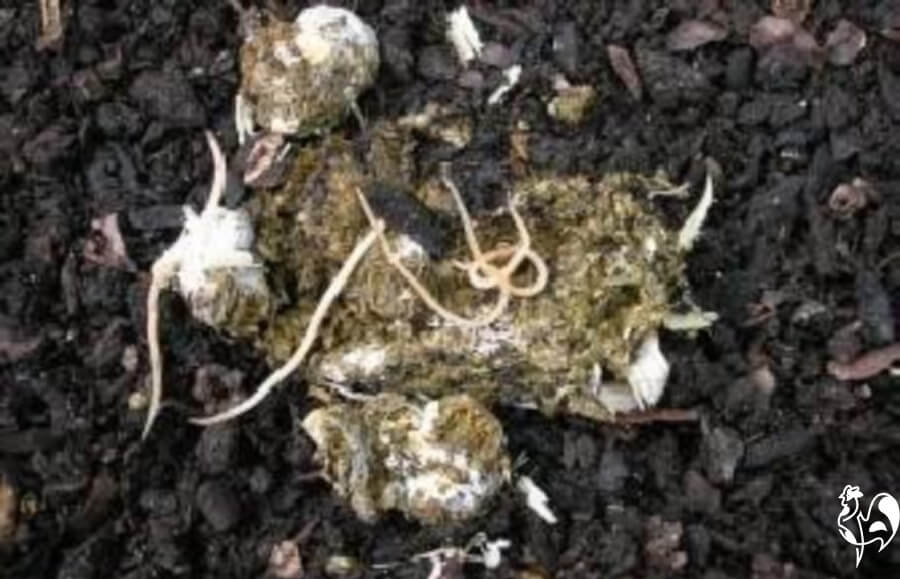 Worms visible in droppings are a clear sign that your flock needs treatment.
When to take action.
Persistent changes, especially blood in droppings or visible worms, should be taken seriously.
If in doubt, isolate and investigate further. Consult your veterinarian, or look online for Ivermectin (ad).
11. Eggs.
Eggs can tell you a great deal about your chickens' health.
Changes in size, shape, or shell quality are often normal, but some signs should not be ignored.
What's normal.
When hens first begin laying, eggs can vary quite a lot in size and shape.
You may see...
- very small or unusually large eggs
- slightly wrinkled or uneven shells.
This is usually just the hen's system adjusting and is nothing to worry about.
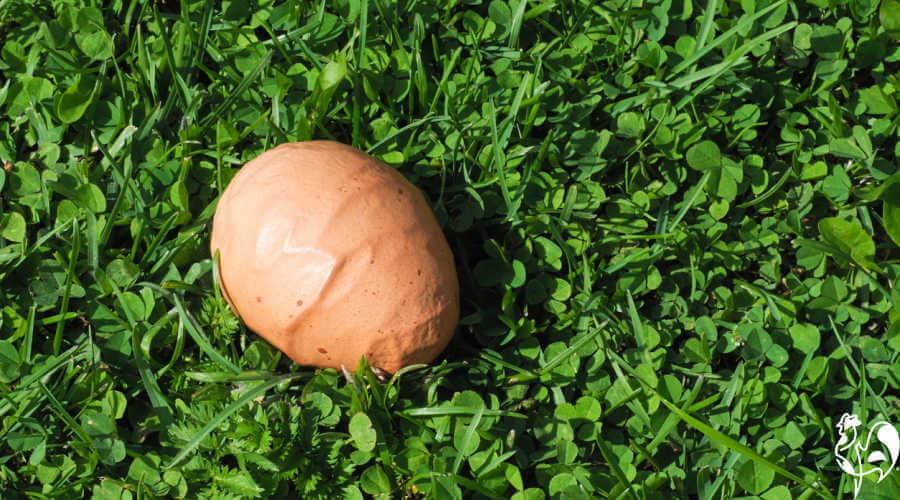 Unusual-looking eggs are often normal, especially when hens first begin laying.
Egg production will also change over time. Hens naturally lay fewer eggs...
- during moulting
- in winter, when daylight hours are shorter
- as they get older.
What to look for.
Soft-shelled eggs: these should be taken seriously, as they can lead to internal problems such as egg peritonitis.
Sudden drop in laying: while often natural, it can sometimes indicate illness or stress.
Unusual eggs (lash eggs): these are a sign of infection and need attention. For (very unpleasant) photos, see the British Hen Welfare Trust page(5).
When to take action.
Persistent soft-shelled eggs or signs of infection should be addressed promptly.
Make sure your hens have free access to a source of calcium, and seek veterinary advice if problems continue.
12. Behaviour.
One of the best indicators of chicken health is behaviour.
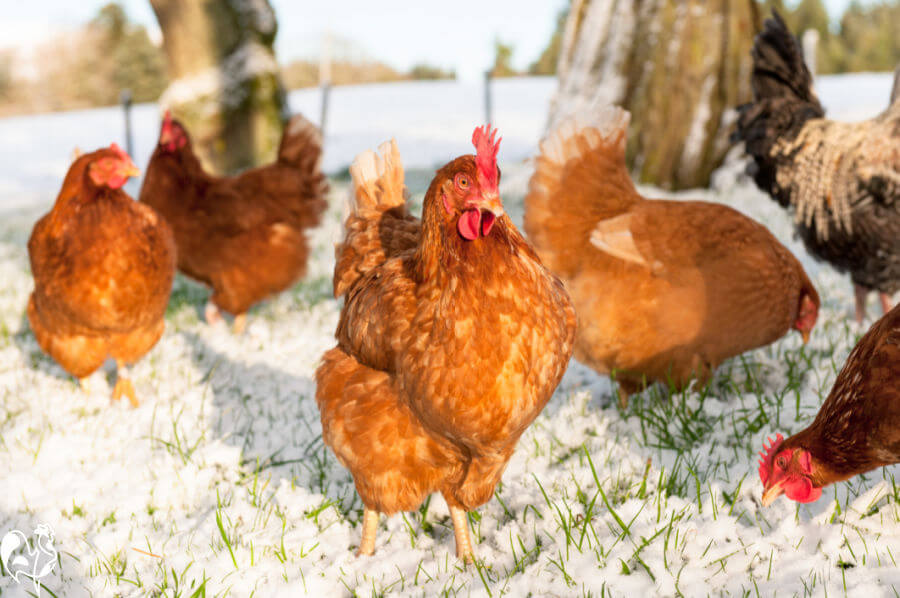
Healthy chickens are active, alert, and engaged in normal flock activities like scratching, feeding, dust bathing, and laying.
One of the best indicators of chicken health is their behaviour.
A healthy chicken is active, usually standing up and scratching around for bugs, engaging in activities like laying, dust bathing and feeding.
What to look for.
Changes in activity: a chicken that becomes quiet, withdrawn, or inactive may not be well.
Posture: a hunched posture, fluffed feathers, or a drooping head can be signs of illness.
Isolation: chickens are social animals. A bird standing alone or avoiding the flock may need closer attention.
Movement: limping, stiffness, or unusual movement can indicate injury or illness.
- Are your chickens reluctant to roost, or choosing to huddle together in a corner? Check for red mite, or rats and mice.
- Check any chicken who looks miserable. How do you know if a chicken is miserable? S/he will be hunched, usually standing alone, not engaging with friends or engaging in any normal activity.
- Often, an unwell chicken will sit hunched on the ground or on a roost, possibly fluffed up, with her head hanging close to her body.
- Keep a close eye on that bird. Is s/he eating and drinking normally? Has she stopped laying? Is she showing any signs of not being able to move properly such as limping or throwing a leg out to one side?
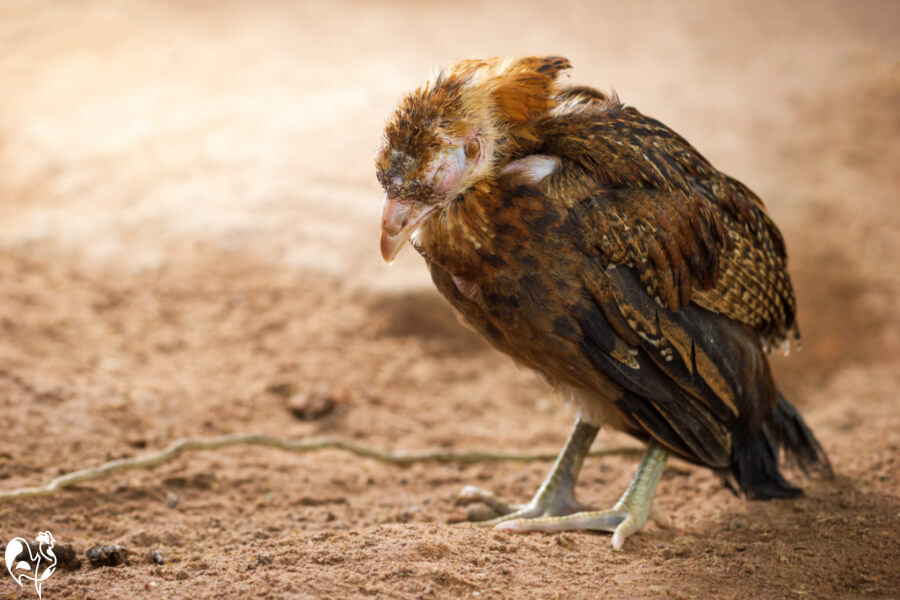 A chicken standing hunched is a reason for more in depth examination.
What might not be a problem.
Not every change in behaviour means illness.
A chicken may appear quieter or more still if...
- she is broody and sitting on eggs
- the weather is very cold or wet
- there are signs of predators nearby
- there has been a recent change or loss within the flock
- If a chicken is sitting along in one place, particularly if it's on a nest box, it may be because she's broody rather than ill. Check underneath her - has she gathered eggs?
- Is it wet weather, or is there extreme cold? Some breeds don't care about the weather - my Red Stars will go out come rain or shine, while Silkies are much more reluctant to face wet days.
- Are there any signs of predators around? Chickens will often decide to stay inside, or huddle together outside, if there are.
- Has there been a recent loss in the flock? There's evidence that chickens grieve. A few additional high protein treats can help - but in moderation.
- Some days, a chicken may just feel a little "meh" - much like we can. The important thing is to watch for changes in behaviour.
The best way of spotting health problems.
Simple: spend time with your flock!
Keeping your chickens healthy doesn't have to be complicated. It just takes a little time and attention.
A simple monthly chicken health check can help you spot small changes early, before they become more serious problems.
And the more time you spend with your flock, the easier it becomes to recognise what’s normal and when something isn’t quite right.
What could be more fun than that?
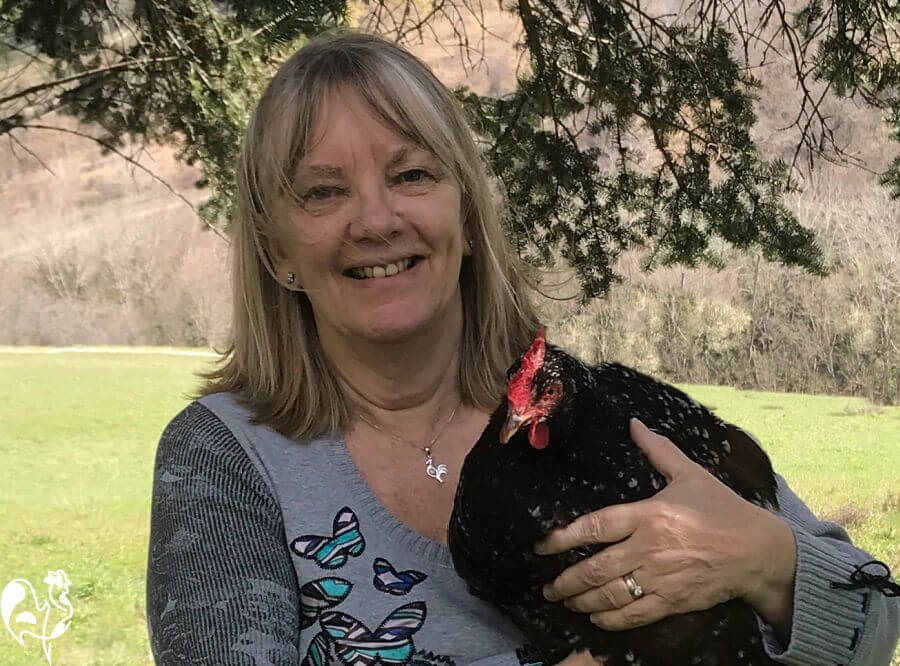 What could be better than spending time with your flock?
Free checklist.
To make this process easier, I've created a simple chicken health check sheet you can use each month.
It follows the same steps in this guide and helps you keep track of what you've checked and when.
If you're part of my weekly chicken digest, you'll receive the updated version twice a year.
If not, you can sign up here.
It’s a simple way to stay organised and to make sure nothing gets missed.
Common questions about chicken health.
How often should I check my chickens' health?
How often should I check my chickens' health?
A quick check should be done every day as you observe your flock, but a more thorough hands-on health check is best carried out around once a month.
What are the first signs a chicken is unwell?
What are the first signs a chicken is unwell?
Early signs often include changes in behaviour, such as being quieter than usual, standing hunched, or separating from the flock. Changes in appetite, droppings, or egg laying can also be early indicators.
What should a healthy chicken look like?
What should a healthy chicken look like?
A healthy chicken will be active and alert, with bright eyes, smooth feathers, a clean vent, and a comb that is full and well-coloured.
What are common health problems in chickens?
What are common health problems in chickens?
When should I isolate a sick chicken?
When should I isolate a sick chicken?
As soon as you notice signs of illness, injury, or unusual behaviour. This helps prevent problems spreading and allows you to monitor the bird more closely. More details in this article.
Other health-related articles.
Sources.
Please note: This page is written as general information only. It is not intended as medical or veterinary advice and should not be taken as such.
If you're worried about your chickens' health, you should always see your veterinarian.
A lot of "facts" you'll find on the internet are often people's individual views, based on inaccurate information repeated from poor quality sources.
The information I provide in this article and others is based not just on my own experience, but on evidenced facts from scientific, peer-reviewed research and books from highly respected and experienced poultry keepers such as Gail Damerow.
Some of the trusted sources I have used in this article are these.
1. British Hen Welfare Trust: Hen Examination Guidelines and treating sour crop.
2. Mississippi State University, Department of Agriculture: Diseases of Poultry.
3. Damerow, Gail: The Chicken Health Handbook. Pub. Storey, 1994.
4. Hester, P, et al: Effect of partial comb and wattle trim on pallet behavior and thermoregulation. Pub. Journal of Poultry Science, 2015.
5. British Hen Welfare Trust: Lash Eggs.

Partner of the Month: Eglu Coop

Popular articles

Copyright © 2012- Raising Happy Chickens: All rights reserved regardless of links or attributions.
I do not SELL ANY PERSONAL INFORMATION FROM THIS WEBSITE. PLEASE SEE My PRIVACY POLICY FOR MORE DETAILS.
Click to see my copyright, privacy and affiliates policies.
Click Here to see my policy about external ads, articles and links.
Click here to contact me.